Reputation, Permanence and the Court of Public Opinion
Part Four
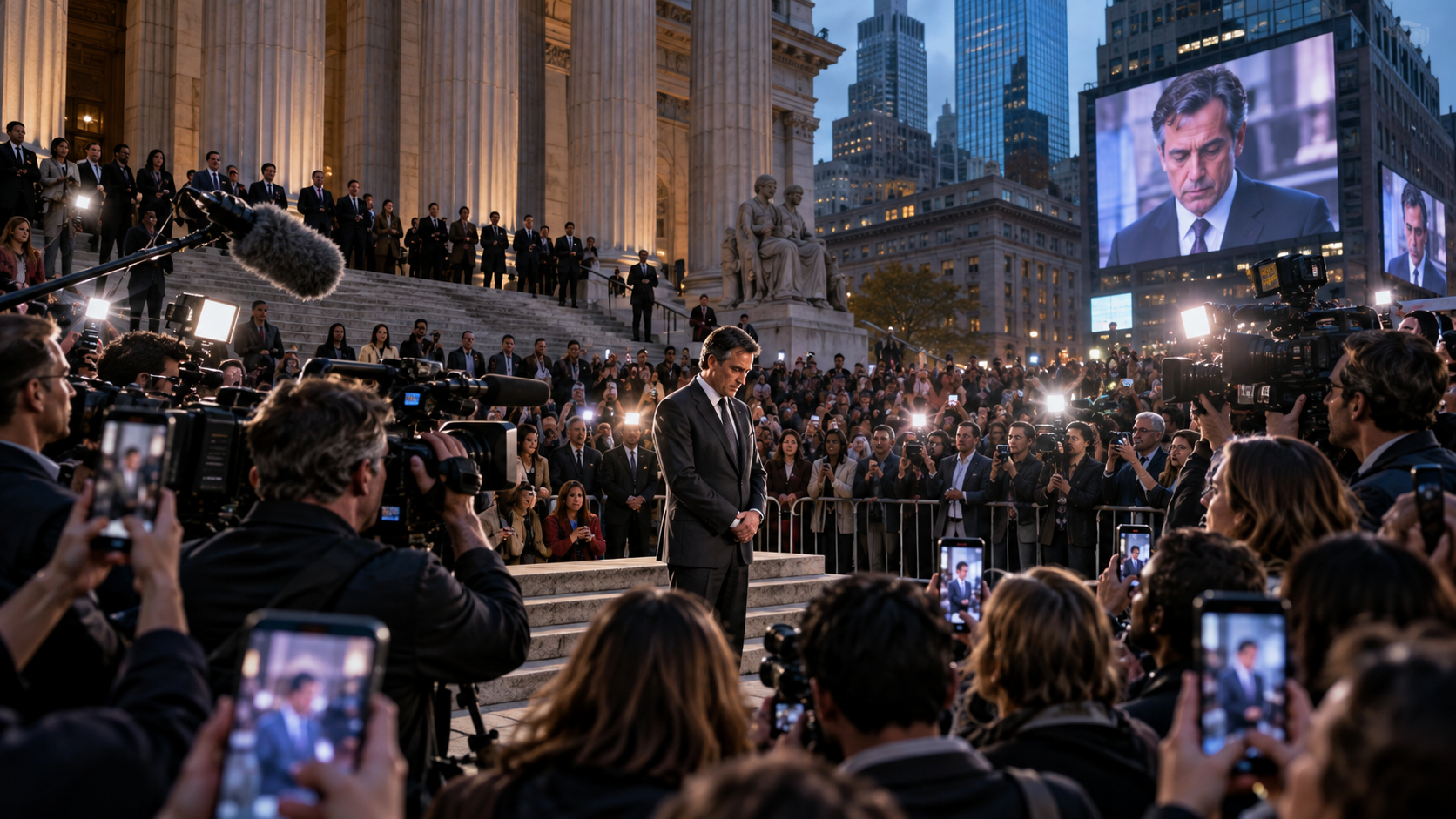
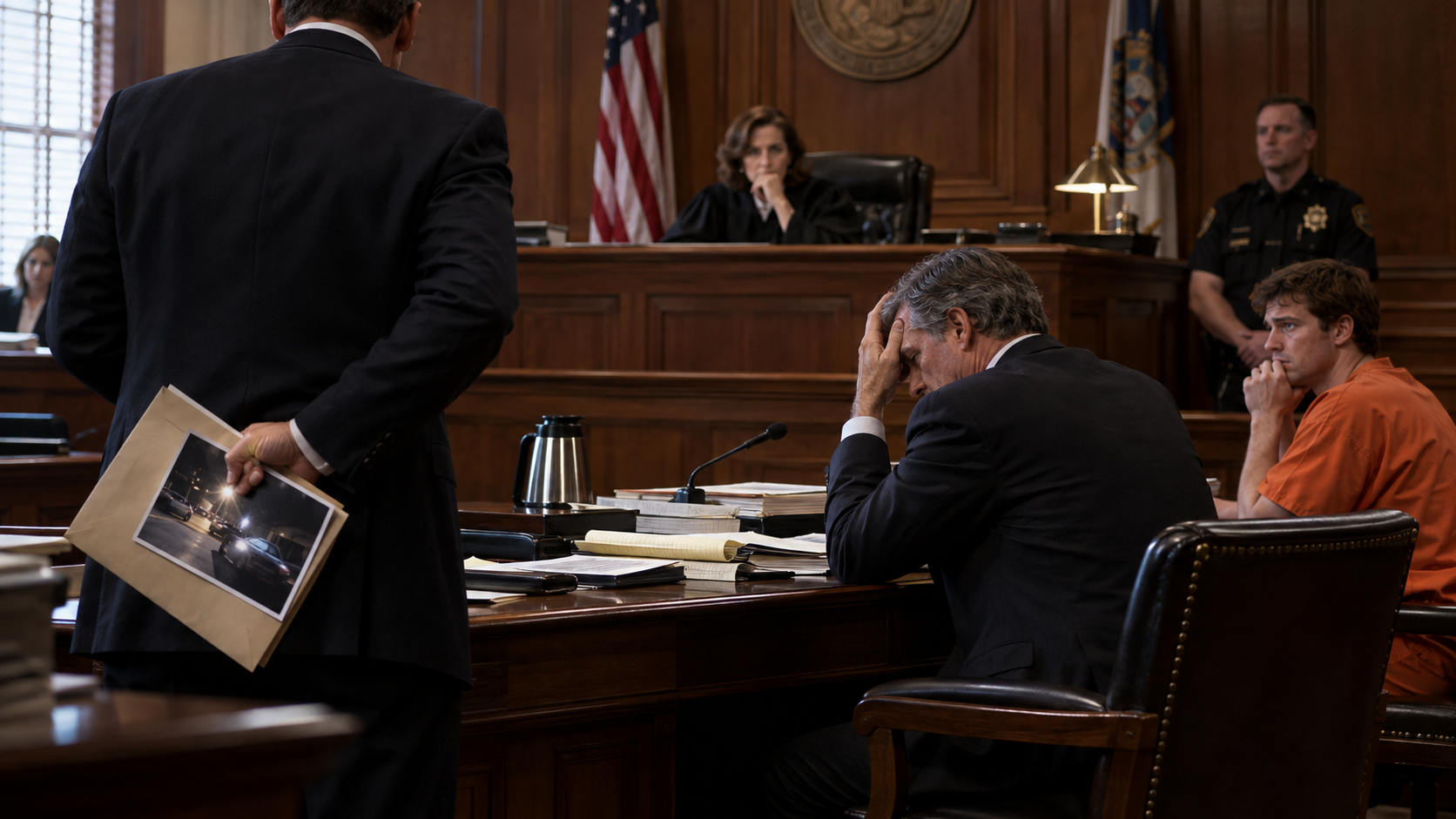
In the Court of Public Opinion, judgments can arrive swiftly and spread widely. What makes those judgments especially consequential in the digital age is their permanence. Once accusations, images, or narratives enter the online environment, they often remain searchable, shareable, and recoverable long after the formal proceedings have ended or fuller facts have emerged. This reality raises difficult questions about reputation, due process, and the practical limits of repair for individuals and institutions caught in the glare of public scrutiny.
Digital Permanence and the Limits of Reputation Repair
Digital permanence refers to the enduring accessibility of online information. Once content enters the internet – through social media posts, news articles, videos, screenshots, or archives – it becomes extraordinarily difficult to fully erase. Search engines index it, users save copies, platforms create caches, and services such as the Wayback Machine preserve historical versions. Even when original posts are deleted, secondary shares, media reprints, and algorithmic resurfacing often keep the material discoverable. While some web content experiences “link rot” (Pew Research has documented that roughly a quarter of pages from 2013- 2023 are no longer accessible), viral or reputationally damaging material tends to prove more durable precisely because it is widely copied and discussed (https://www.pewresearch.org/data-labs/2024/05/17/when-online-content-disappears/).
This permanence transforms the court of public opinion. In traditional media eras, stories eventually faded from public memory as newspapers yellowed and broadcasts ended. Today, a decontextualized clip or accusation can reappear years later in search results for a person’s name, affecting employment, relationships, and social standing long after formal proceedings conclude. The Duke lacrosse players, cleared in 2007, remain associated with the case in cultural shorthand two decades later. Nick Sandmann, the Covington Catholic student at the center of the 2019 Lincoln Memorial video, continues to be recognized and linked to the event; he has described ongoing approaches from strangers and the lasting personal impact even after settlements and the passage of time.
Legal Landscape
The United States does not recognize a broad “right to be forgotten.” Courts have treated compelled removal of accurate, lawfully obtained information as conflicting with First Amendment protections for free speech and the press. European Union law under the GDPR allows individuals to request that search engines delist certain results that are inadequate, irrelevant, or outdated under specific conditions, but these orders generally do not apply to U.S. users or compel global erasure. American companies operating in Europe must comply with EU rules for EU residents, yet the default U.S. posture prioritizes openness over deletion (https://firstamendment.mtsu.edu/article/right-to-be-forgotten/).
Defamation law, copyright claims, and platform terms of service offer narrower tools. Successful lawsuits (such as Sandmann’s settlements with certain media outlets) can produce retractions, corrections, or financial remedies, but they rarely scrub the original content from the wider web. False statements of fact can be actionable; opinions, fair reports of public proceedings, and truthful reporting usually cannot.