Religious freedom must be protected at all costs because our freedom is not free. There must always be someone who will pay the price to keep it that way and to be a voice for the ones who have fallen into the cruel hands of injustice.
The disruption of a Sunday worship service at Cities Church in St. Paul, Minnesota, on January 18, 2026, by roughly three dozen anti-ICE protestors sent immediate shockwaves through religious communities nationwide. Activists entered the sanctuary of the Southern Baptist congregation during prayers, chanting “ICE out” and “Justice for Renee Good” – referring to the 37-year-old U.S. citizen and mother of three fatally shot by an ICE agent in Minnesota 11 days earlier amid a federal immigration enforcement surge. The action targeted one of the church’s pastors, David Easterwood, who activists alleged also served as acting head of the local ICE field office. Congregants, including children, reported being traumatized by the intrusion into a space many regard as sacred.
Federal authorities responded swiftly. The U.S. Department of Justice, led by Attorney General Pam Bondi and Assistant Attorney General for Civil Rights Harmeet Dhillon, investigated potential violations of the Freedom of Access to Clinic Entrances (FACE) Act, which prohibits interference with religious exercise at places of worship. By February 2026, the DOJ had charged 39 people – including journalists Don Lemon and Georgia Fort – with conspiracy and civil rights violations for allegedly interfering with worshippers’ First Amendment rights. Legal proceedings featured initial judicial pushback on some warrants, appeals, and the January 30 arrests of Lemon and Fort at the AG’s direction; the federal cases remain pending as of mid-2026, though Minnesota’s local prosecutor later declined to pursue separate state charges.
The incident triggered a clear legislative backlash. In the following months, at least four states – Idaho, Louisiana, Oklahoma, and Kansas – enacted new laws specifically criminalizing the disruption of religious services. These measures go beyond standard trespass statutes by imposing penalties of up to one year in prison and fines as high as $10,000 for first offenses, with some including buffer zones around worship sites. Lawmakers in Republican-led states and even bipartisan contexts cited the Minnesota event as a catalyst, arguing it exposed vulnerabilities in protecting peaceful worship and provided states with independent prosecutorial tools when local officials hesitate. Similar bills advanced in at least seven other states and drew congressional attention.
Beyond statues and courtrooms, the protest has reshaped institutional and cultural responses across the United States. Religious leaders across denominations condemned the breach as “lawless harassment” that desecrates sacred spaces and intimidates worshippers, prompting many congregations to review or strengthen security protocols. The episode intensified longstanding debates over First Amendment boundaries: while protestors and some supporters framed the action as protected speech and legitimate dissent against immigration policies, courts and legal analysts have consistently held that no right exists to disrupt private religious services on private property through time, place, and manner restrictions. The involvement of journalists also fueled separate discussions about press roles in activist settings versus potential participation in unlawful conduct.
As federal trials proceed and new state protections take hold, the Minnesota church protest has left a durable mark on American public life. It has reinforced legal and legislative safeguards for houses of worship while exposing deep societal divisions over protest tactics, religious liberty, and immigration enforcement. The event continues to serve as a reference point in ongoing national conversations about balancing civil liberties in an era of heightened political tension, ensuring that questions of justice – for individuals affected by enforcement actions and for the integrity of sacred institutions – remain vigorously contested.
At the cultural level, the case has sharpened an already sensitive conversation about what protest can and cannot do in a pluralistic society. Supporters of the demonstrators framed the action as civil disobedience tied to immigration justice, but legal analysts have continued to stress that private worship services are not open forums for interruption, especially when children and families are present. As the federal cases remain pending, the incident continues to shape how churches, attorneys, and lawmakers think about security, free exercise, and the limits of activism.
Ultimately, the incident underscored a basic truth: in a free society, protest may challenge power, but it cannot be allowed to trample peace, worship, and human dignity.
What happened in St. Paul revealed how quickly the line between dissent and disorder can be crossed, and why protecting sacred spaces remains a serious civic duty.
In that moment, the church was not just disrupted; it became a symbol of the larger struggle to defend both religious liberty and the boundaries of lawful protest.
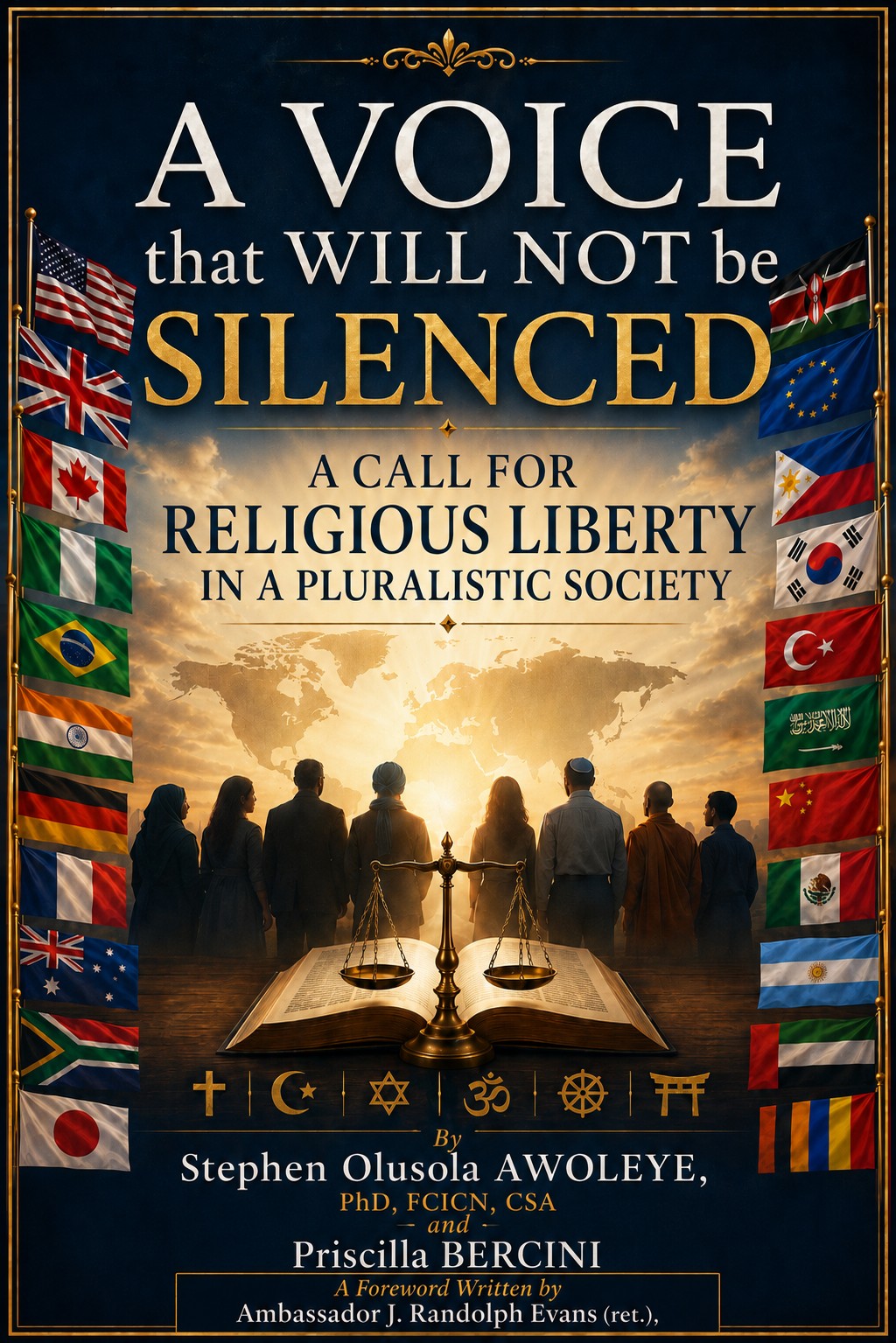
If you enjoy these articles, you will love our upcoming book, available on Amazon.
Subscribe for the latest news & updates
from Strong Advocacy Group.
Thank you for joining our community.
Keep an eye on your inbox — great things
are on the way.