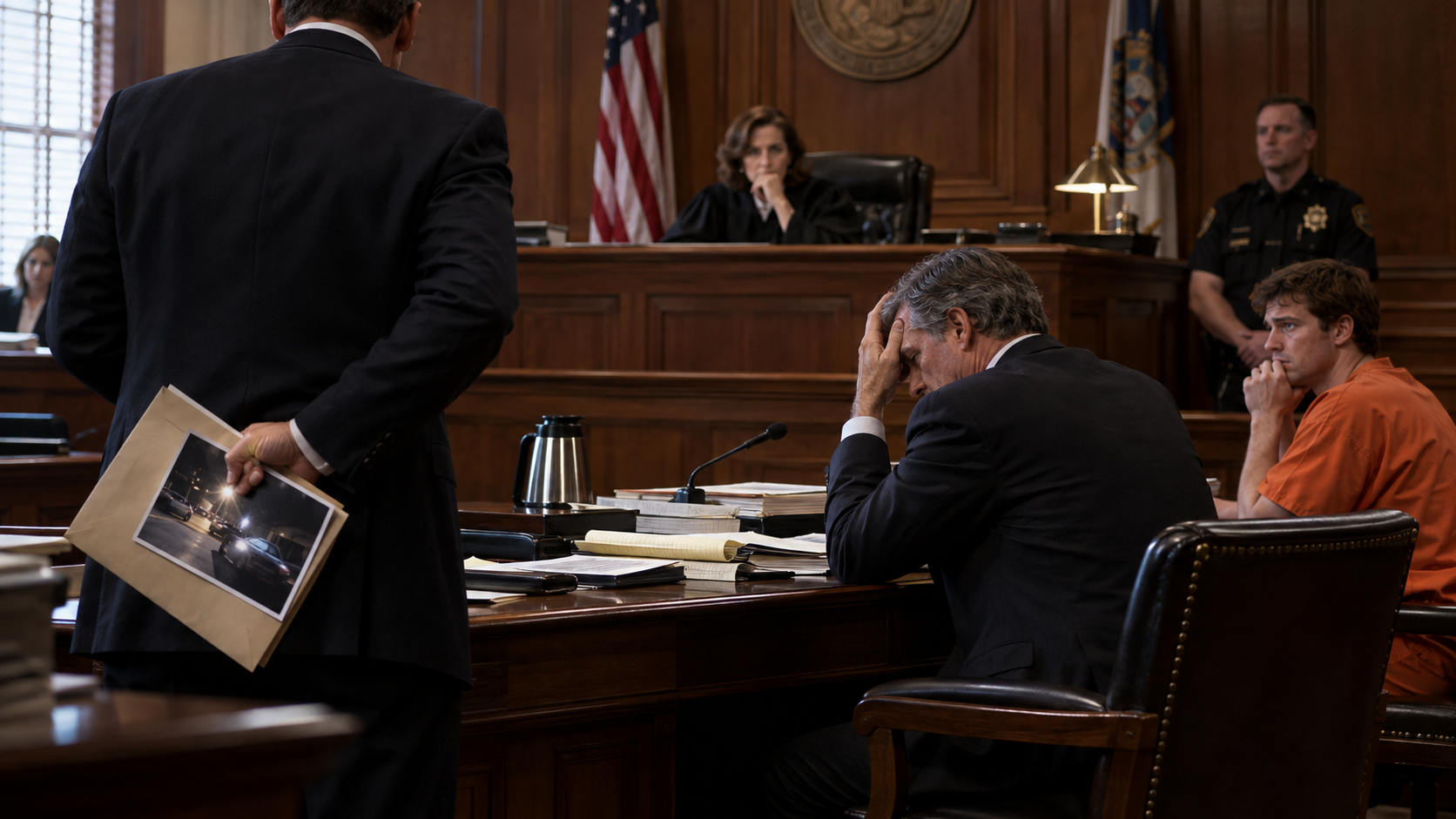
The Court of Public Opinion – Part Five
In the Court of Public Opinion, judgments can arrive swiftly and spread widely. What makes those judgments especially consequential in the digital age is their permanence. Once accusations, images, or narratives enter the online environment, they often remain searchable, shareable, and recoverable long after the formal proceedings have ended or fuller facts have emerged. This reality raises difficult questions about reputation, due process, and the practical limits of repair for individuals and institutions caught in the glare of public scrutiny.
Practical Approaches to Reputation Repair
Recovery strategies fall into several categories, none of which guarantee complete restoration:
- Immediate Containment: Document everything, avoid impulsive public responses in the first 48-72 hours, and preserve evidence. Engaging while the storm is at peak intensity often amplifies attention.
- Legal and Platform Remedies: Cease-and-Desist letters, copyright takedown notices (when the individual owns the underlying material), and formal defamation claims where elements are met. Platform reporting mechanisms can remove clear policy violations, though success rates vary.
- Content Suppression and SEO: Professional online reputation management (ORM) firms and DIY efforts create authoritative positive material – personal websites, LinkedIn activity, press releases, thought-leadership content-to push negative results lower in search rankings. This does not erase harmful material; it competes with it.
- Behavioral and Narrative Strategies: When wrongdoing occurred, a specific, non-defensive apology paired with demonstrated change can help. When the individual was largely or wholly innocent, many advisers caution against apologizing, as it can be interpreted as admission. Consistent positive conduct, strategic silence followed by measured re-engagement, and building new associations over time are more common paths. Research on online redemption identifies recurring tactics including content management, humor, support-seeking, rebranding, and counter-narrative.
Limits are significant. Full erasure is rare. Screenshots and archives outlast detentions. Search algorithms and human memory both retain negative associations longer than positive ones. Resource disparities matter: well-funded individuals or institutions can hire specialists and generate competing content; unfortunately, ordinary people often cannot. Even successful legal outcomes (exoneration, settlements) do not automatically rewrite the public record or eliminate secondary commentary.
Implications for Advocacy and Institutions
Those engaged in contested constitutional or cultural questions, digital permanence raises practical and principled concerns. A single viral misrepresentation – whether of a statement, event, or affiliation – can create lasting search-result association that affects credibility, donor relations, employment, or institutional reputation. Advocacy itself can become riskier when participants fear permanent digital stigma.
The tension is structural. Open information environments protect robust debate and accountability; they also make recovery from error or malice harder. Effective responses therefore combine digital hygiene (careful online presence, rapid documentation protocols), legal readiness where appropriate, and a longer-term commitment to accurate public records. Institutions benefit from clear internal guidelines on crisis communication that prioritize verified facts over speed of narrative. Ultimately, while reputation repair is possible in degrees, digital permanence means that prevention – through careful speech, verified reporting, and resistance to premature judgment – remains more reliable than any subsequent remedy.