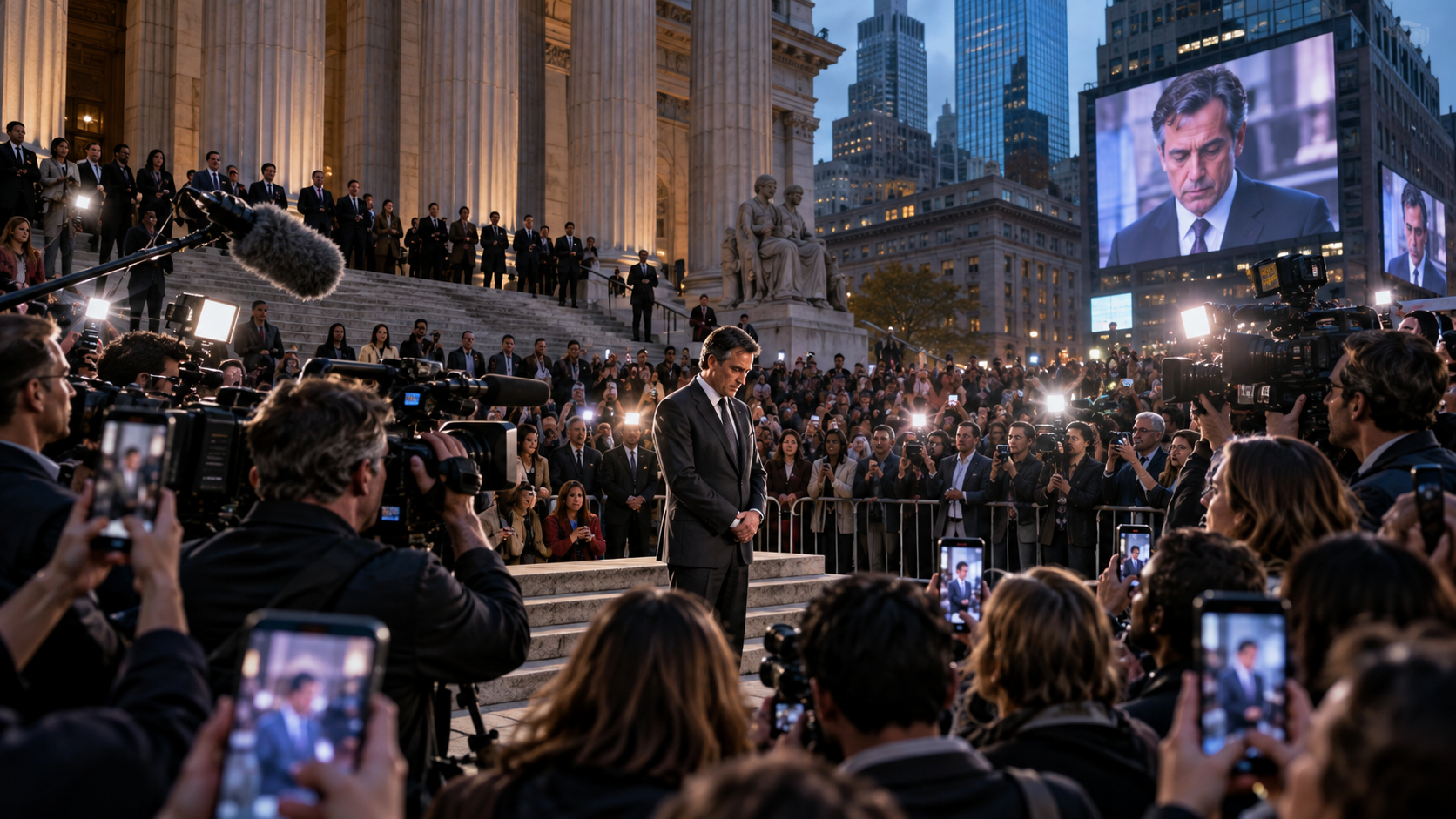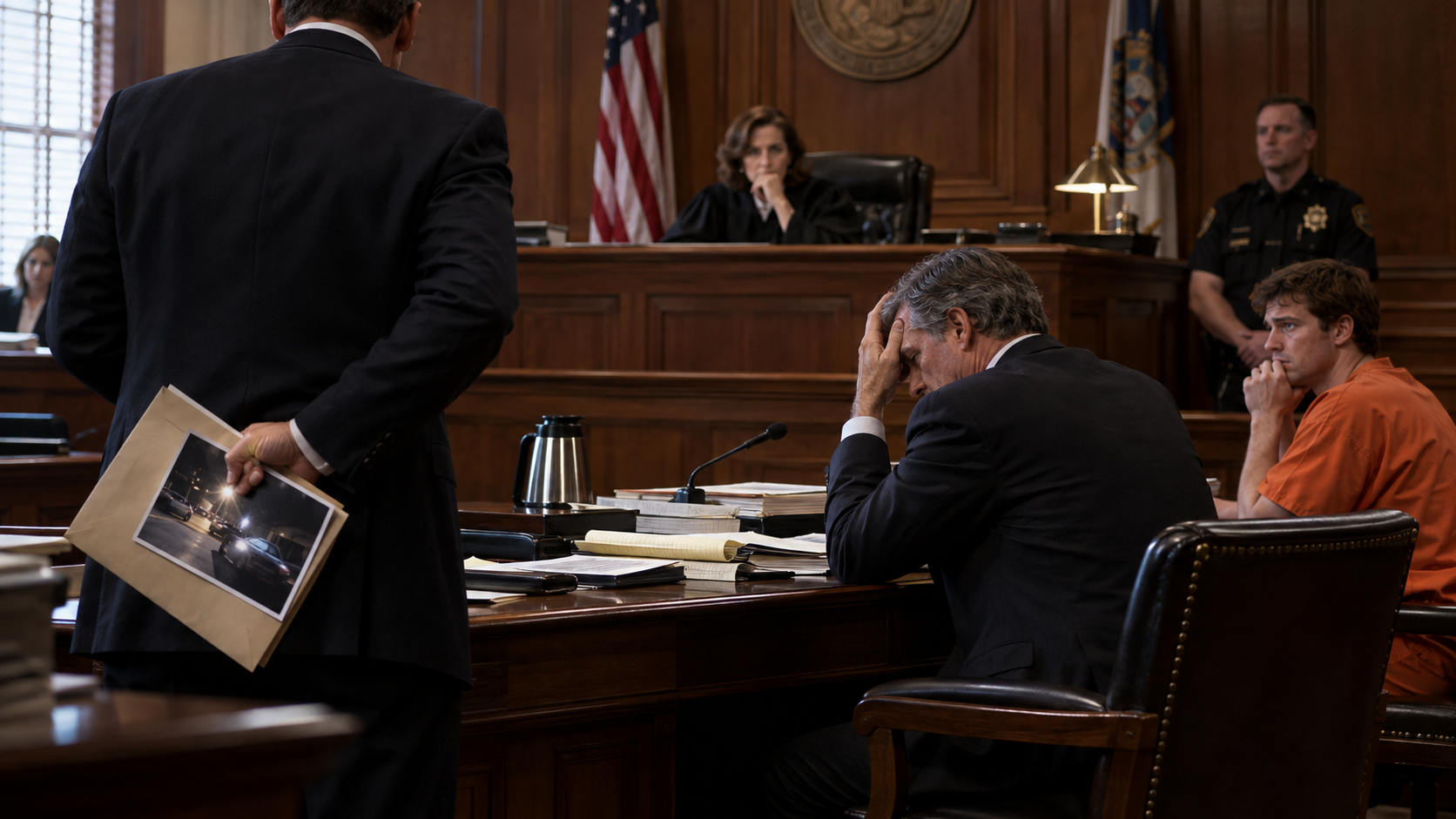
There are two well-documented American cases that illustrate how the court of public opinion can operate with speed, intensity, and lasting consequences: the 2006 Duke University lacrosse case and the 2019 Covington Catholic High School encounter. Both involved incomplete initial narratives that went viral, produced widespread condemnation, and later faced significant correction through fuller evidence – yet left enduring reputational and institutional scars. These episodes highlight the strengths of public scrutiny in forcing accountability alongside its dangers of presumption of guilt, narrative dominance over facts, and irreversible digital harm.
The Duke Lacrosse Case (2006)
In March 2006, Crystal Mangum, a Black woman hired as an exotic dancer, accused three white Duke University lacrosse players (Reade Seligmann, Collin Finnerty, and David Evans) of rape at a team party. The story rapidly became a national media event, framed around race, class, privilege, and gender. Durham District Attorney Mike Nifong made public statements expressing certainty of the players’ guilt and pursued the case aggressively amid an election campaign. Campus protests erupted, a group of 88 Duke faculty members published an advertisement expressing solidarity with the accuser and criticizing the campus culture, and major outlets including The New York Times, cable news, and national magazines amplified the narrative of elite white athletes preying on a vulnerable Black woman (https://www.britannica.com/event/Duke-lacrosse-rape-case).
District Attorney Mike Nifong of Durham County, North Carolina, led the prosecution in the 2006 Duke University lacrosse case. Nifong made extensive public statements to the media early in the case, expressing strong confidence in the players’ guilt and describing them in highly critical terms (e.g., calling them “hooligans”) while the investigation was still underway. These statements contributed significantly to the intense media coverage and public presumption of guilt.
Nifong was later found to have withheld exculpatory DNA evidence and made misleading statements. DNA evidence eventually showed no match to the accused players, the accuser’s accounts contained contradictions, and key investigative flaws emerged (including a flawed photo lineup limited to team members).
In April 2007, North Carolina Attorney General Roy Cooper took over the case, dropped all charges, and declared the players “innocent,” stating the attack never occurred and criticizing a “rush to accuse” and calling Nifong a “rogue prosecutor.”
In June 2007, the North Carolina State Bar permanently disbarred Nifong for multiple ethics violations, including dishonesty, fraud, deceit, and improper pretrial publicity. He also served one day in jail for contempt of court. He later filed for bankruptcy in 2008 amid lawsuits from the players.
In 2024, the accuser Crystal Mangum publicly admitted she had fabricated the rape allegation.
Mike Nifong is frequently cited as a prominent example of how a prosecutor’s public comments and media engagement can fuel a “trial by public opinion” that severely harms the accused before any formal adjudication.
Regarding this case, the court of public opinion convicted the players long before the formal system cleared them. Season cancellation, the coach’s resignation, intense media coverage, and campus hostility imposed severe personal and institutional costs. Even after exoneration, the case remains a cultural shorthand that continues to evoke debate about bias, media incentives, and due process failures. It demonstrates how a compelling moral narrative – when aligned with existing social tensions – can override evidentiary caution and how recovery in public memory often lags behind legal resolution.